
Resource utilization in a charitable context means strategically deploying every donated dollar, volunteer hour, and community partnership to create the greatest possible impact for the children and families you serve. When a donation arrives or a volunteer steps forward, resource utilization is the thoughtful process of matching that gift to the most urgent need, whether it’s fulfilling a child’s dream, supporting a family through treatment, or building programs that serve your community for years to come.
At organizations like Charity Focus, resource utilization isn’t just about efficiency metrics or budget spreadsheets. It’s about making sure that when a local business donates funds for a dream fulfillment, that money reaches the child who needs it most. It’s ensuring that when community volunteers offer their time, they’re matched with opportunities where their skills create real change. It’s about transparency, accountability, and honoring the trust that donors and volunteers place in your hands.
The families we serve often face overwhelming medical bills, disrupted routines, and emotional exhaustion. Effective resource utilization means their support arrives quickly, reaches them completely, and addresses their actual needs rather than what we assume they need. When a seven-year-old battling leukemia dreams of meeting her favorite author, resource utilization ensures the donated funds cover not just the meeting but the travel, accommodations, and small comforts that make the experience truly magical for the whole family.
Understanding how resources flow from donor to beneficiary empowers everyone in the charitable ecosystem. It helps donors give with confidence, volunteers contribute with purpose, and families receive support with dignity. This guide explains exactly how resource utilization works in practice and how you can participate in creating life-changing moments that align with our vision and mission.
What Resource Utilization Means for Charitable Organizations

Resource utilization in charitable organizations means using every available asset, money, time, skills, and partnerships, strategically to create the greatest possible impact for those we serve. It’s not simply about spending donations or filling volunteer schedules. It’s about matching the right resources to the right needs at the right moment, ensuring that each contribution moves families closer to meaningful experiences and hope and healing.
At Charity Focus, this concept comes alive through our Dream Programs. When a child battling a life-threatening illness dreams of meeting their hero or visiting a special place, we deploy resources with precision and care. Financial donations cover travel costs and accommodation. Volunteers with event planning experience coordinate logistics and manage communications. Community partners, airlines, hotels, attractions, contribute services at reduced rates or donate tickets entirely. Healthcare professionals provide medical clearances and support letters. Each element works together, carefully orchestrated to create a seamless, joyful experience.
This coordinated approach means that a single dream fulfillment might involve dozens of resource touchpoints, yet the family experiences only warmth and support. Consider a recent example: a teenager’s wish to attend a major sporting event required flight arrangements, accessible seating, medical equipment transport, and volunteer companions. By utilizing our network strategically, matching a retired nurse volunteer with the family, securing donated tickets through a corporate sponsor, and coordinating with the venue’s accessibility team, we fulfilled that dream without depleting resources that other families needed.
Efficient resource utilization ultimately touches children’s lives more broadly. The better we manage what we have, the more dreams we fulfill. Every dollar stretched, every volunteer hour matched to genuine need, every partnership leveraged thoughtfully means another family receives support during their most difficult journey.
The Four Essential Resources in Charitable Work
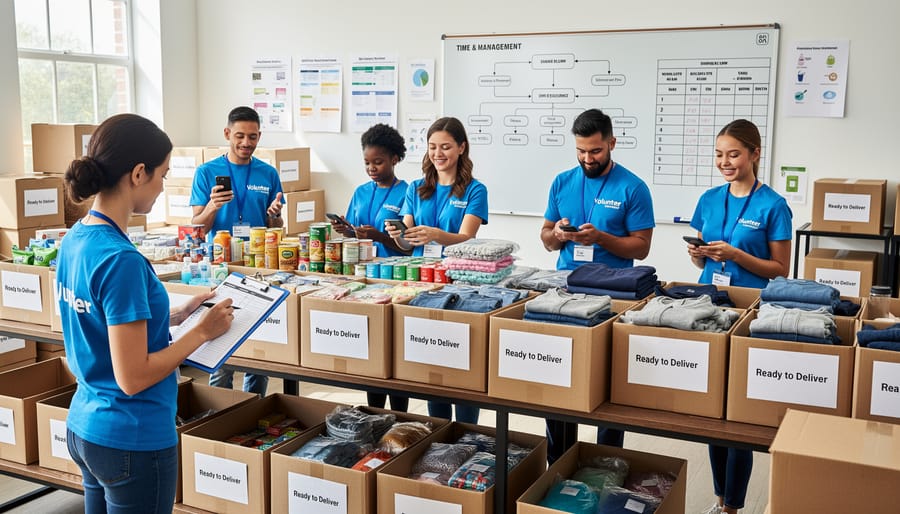
When a child’s eyes light up at the realization that their dream is coming true, that moment is powered by four distinct types of resources working together in harmony. Understanding these essential resources helps everyone, from first-time donors to seasoned volunteers, see how their contributions fit into the larger mission of bringing joy to children facing life-threatening illnesses.
- Financial donations that fund dream experiences, medical equipment, and program operations
- Volunteer hours and expertise that bring dreams to life through planning, coordination, and personal engagement
- Material goods and services donated by businesses and individuals to reduce costs and expand possibilities
- Community partnerships that multiply impact through collaboration, networks, and shared resources
Financial contributions form the foundation of most charitable initiatives, but their impact extends far beyond simple dollar amounts. A £500 donation might cover travel expenses for a family to visit a theme park together, creating memories that sustain them through difficult treatments. These funds also support behind-the-scenes necessities: liability insurance for events, administrative staff who coordinate complex logistics, and emergency reserves for urgent dream requests. The most effective organizations demonstrate financial stewardship by minimizing overhead costs and directing resources where they create the greatest emotional impact.
Volunteer time represents the heart and soul of dream fulfillment. When a retired teacher spends Saturday afternoons helping a young football fan organize a charity match, or when a photographer donates their skills to capture a child’s special day, they’re investing something money can’t buy: personal attention and genuine care. Specialized expertise proves equally valuable, accountants who manage charitable finances, event planners who coordinate celebration logistics, or healthcare professionals who ensure medical needs are met during dream experiences all multiply organizational capacity exponentially.
Material donations and community partnerships complete the resource picture by opening doors that cash alone cannot unlock. A hotel chain offering complimentary rooms, a bakery creating a custom birthday cake, or a sports team providing stadium access and player meet-and-greets transform standard outings into extraordinary experiences. These partnerships also build community awareness and engagement, creating a network of support that extends beyond individual dreams to strengthen the entire charitable ecosystem. Each resource type reinforces the others, creating a sustainable model for turning compassionate intentions into tangible joy.
Who Qualifies to Participate in Resource Utilization Efforts

One of the most heartening aspects of resource utilization in charitable work is its fundamentally inclusive nature. Whether you’re an individual who wants to make a difference, a corporation seeking purposeful partnership, or a family needing support, there’s a meaningful place for you in this collaborative ecosystem.
| Participant Type | Primary Contribution | Role in Resource Utilization |
|---|---|---|
| Individual Donors | Financial support, one-time or recurring | Direct funding for dream fulfillment and operational needs |
| Volunteers | Time, skills, and expertise | Amplify organizational capacity without increasing costs |
| Corporate Sponsors | Major funding, employee engagement, services | Enable large-scale programs and sustainable operations |
| Healthcare Professionals | Medical guidance, referrals, advocacy | Connect families to support and ensure appropriate care coordination |
| Families Seeking Support | Stories, feedback, participation | Define needs and measure impact, helping refine resource allocation |
Individual donors form the foundation of charitable resource utilization. You don’t need wealth to contribute; even modest recurring donations create predictable funding streams that allow organizations to plan effectively. Your financial gifts translate directly into dreams fulfilled, from special trips to birthday celebrations for children facing uncertain futures.
Volunteers represent another vital participant group, and the qualifications are refreshingly broad. Whether you can offer professional skills like event planning or marketing, hands-on help with activities, or simply a few hours monthly, your time becomes a resource multiplier. Organizations optimize volunteer contributions by matching your specific abilities and availability to genuine organizational needs.
Corporate sponsors and community organizations bring substantial resources that enable programs to operate beyond borders and across broader geographies. These partnerships often combine financial support with employee volunteering, in-kind services, and professional expertise, creating comprehensive resource packages.
Families navigating life-threatening childhood illnesses qualify not just as beneficiaries but as essential participants. Your experiences and feedback help organizations direct resources where they matter most, ensuring that support remains relevant and dignified.
How to Contribute and Participate in Effective Resource Utilization
Contributing to effective resource utilization starts with understanding where your unique assets create the greatest impact. Here’s how different stakeholders can participate meaningfully.
For Individual Donors
Choose giving methods that align with organizational priorities. Monthly donations provide predictable funding that charities can plan around, making resource allocation more efficient than one-time gifts. Designate contributions to specific programs when you have strong preferences, but consider unrestricted giving, it allows organizations to direct funds where they’re most needed. Before donating, review how charities report their financial stewardship. Look for transparent breakdowns showing what percentage reaches beneficiaries versus administrative costs.
If you’re donating goods or services rather than money, contact the organization first. Well-intentioned donations of unwanted items can actually drain resources through storage and sorting costs. Ask what’s currently needed and how items should be delivered to minimize handling requirements.
For Volunteers
Match your skills to organizational needs rather than assuming what will help most. Complete a skills inventory with volunteer coordinators: Are you strongest in event planning, social media, administrative tasks, or direct family support? Organizations maximize volunteer hours when they deploy people strategically.
Commit to consistent schedules whenever possible. A volunteer who appears reliably for four hours monthly creates more value than sporadic full-day appearances, because staff can build workflows around dependable support. Be honest about your availability and capacity, overcommitting and canceling disrupts resource planning.
For Families Seeking Support
Access assistance efficiently by providing complete information during initial contact. When you share your child’s diagnosis, treatment timeline, interests, and specific hopes clearly from the start, organizations can mobilize appropriate resources without repeated follow-ups. This respectful communication speeds the process and reduces administrative overhead.
Stay engaged throughout the support journey. Respond promptly to coordination requests, attend scheduled meetings, and communicate any changing circumstances. Your partnership helps the organization serve you effectively while managing resources for other families simultaneously.
For Corporate and Community Partners
Establish resource-sharing agreements through a structured partnership model that clarifies each party’s contributions and expectations. Begin conversations by identifying what resources you can offer consistently, whether monetary support, in-kind services, employee volunteer programs, or facility access, then work with the charity to determine where these assets create maximum benefit.
Formalize arrangements with written agreements outlining timelines, deliverables, and communication protocols. This clarity prevents resource waste from misaligned expectations and ensures both parties honor commitments that families depend upon.
Rights and Responsibilities in Resource Stewardship
When families entrust a charitable organization like Charity Focus with their hopes for a child’s dream, and when donors commit their hard-earned resources, they enter a relationship built on mutual trust. This partnership creates clear rights and responsibilities for everyone involved.
Donors have the fundamental right to know exactly how their contributions make a difference. You deserve detailed financial transparency, including breakdowns of administrative costs versus program spending, and regular impact reports that show real outcomes, not just vague promises. At Charity Focus, this means hearing the stories of children whose dreams became reality because of your generosity, and understanding the direct connection between your donation and a specific result.
Charitable organizations carry the profound responsibility to steward every resource ethically and efficiently. This means treating each dollar as if it belongs to the child waiting for their dream, maintaining rigorous financial controls, and making strategic decisions that maximize impact rather than convenience. Organizations must communicate honestly about both successes and challenges, never overpromising outcomes they cannot deliver.
Volunteers rightfully expect their time and skills to be valued through meaningful engagement. This isn’t just about showing up, it’s about being matched to roles where your unique talents create genuine impact, receiving proper support and training, and seeing how your hours translate into transformed lives. Your expertise deserves respect and purposeful deployment.
Families seeking support have the absolute right to dignified, compassionate assistance that honors their child’s individuality and their family’s circumstances. No child should be treated as a case number or a publicity opportunity. Organizations must protect family privacy, respect cultural and personal preferences, and deliver support that empowers rather than patronizes.
This mutual accountability strengthens the entire charitable ecosystem, ensuring resources flow where they create the most hope.
Measuring the Impact of Resource Utilization

Understanding whether your resources truly make a difference transforms how you support charitable initiatives. Organizations like Charity Focus measure impact through meaningful indicators that connect every contribution, whether financial, volunteer time, or material support, to real outcomes in children’s lives.
The most powerful metric remains dreams fulfilled per dollar donated. When you know that £500 helped create a magical theme park experience for a child battling cancer, or that £1,200 funded a week-long family holiday creating lasting memories during treatment, you see your contribution’s tangible value. Organizations track these conversion rates carefully, showing how efficiently donations translate into life-changing experiences rather than administrative overhead.
Volunteer hour conversion reveals another vital dimension. Charities measure how volunteer time directly supports families: hours spent coordinating dream logistics, providing companionship during hospital visits, or organizing fundraising events. One volunteer’s eight hours might enable three families to receive support navigation services, demonstrating how time investments multiply impact across the community.
Transparency and accountability guidelines emphasize the importance of clear impact reporting that builds donor trust. Family satisfaction indicators provide the most heartfelt measure, feedback surveys, testimonial letters, and follow-up conversations capture emotional outcomes that numbers alone can’t express. When a mother shares that her daughter’s dream fulfilled during chemotherapy gave their family hope during the darkest months, that qualitative data reveals resource utilization’s profound human impact.
Community engagement metrics track broader ripple effects: how many local businesses partner annually, volunteer retention rates, and social media reach that spreads awareness. These measurements help organizations refine their approach, ensuring every resource contributes to their mission of bringing joy and comfort to children facing life’s toughest challenges.
Where to Get Help and Further Information
Finding the right support channels can transform how you engage with charitable resource utilization, whether you’re offering help or seeking it.
For Families Seeking Support
Start with your child’s healthcare team, social workers and child life specialists often maintain current lists of charitable organizations that fulfill dreams for seriously ill children. National and regional children’s charities typically have family liaison staff who can explain available programs, eligibility criteria, and how to submit dream requests. These coordinators guide you through the process compassionately, ensuring your family’s needs are clearly communicated and appropriately matched with available resources.
For Potential Donors and Volunteers
Contact charitable organizations directly through their websites or helplines to learn how your specific resources can create the greatest impact. Donor services teams explain giving options, transparency policies, and how contributions translate into fulfilled dreams. Volunteer coordinators assess your skills, availability, and interests to match you with meaningful opportunities, from administrative support to direct family engagement.
For Organizations and Partners
Community foundations, corporate social responsibility departments, and nonprofit networks offer guidance on establishing resource-sharing partnerships. These entities provide frameworks for collaboration, impact measurement tools, and best practices for ethical resource stewardship.
Comprehensive Resource Directories
National charity registries and local community volunteer centers maintain searchable databases of reputable organizations. State and regional philanthropic councils offer educational resources on effective giving and volunteer management. Healthcare institutions often publish community resource guides specifically for families facing serious illness, connecting them with vetted charitable support systems in their area.
How to Apply or Complete the Process
The process for engaging with resource utilization efforts varies depending on your role, but charitable organizations typically maintain straightforward pathways that respect everyone’s time and circumstances.
For families seeking support, begin by contacting the organization directly through their established channels, phone, email, or online inquiry forms. A care coordinator will guide you through their specific eligibility verification, which usually involves healthcare professional documentation of your child’s condition and basic family information. This conversation-focused approach ensures families aren’t burdened with unnecessary paperwork during already challenging times.
Donors and volunteers generally start with a simple registration process. Most organizations offer online portals where you can specify your preferred contribution method, one-time or recurring donations, skill-based volunteering, material goods, or corporate partnerships. You’ll receive confirmation of how your resources will be allocated and ongoing updates about impact.
Corporate partners typically work through formal partnership agreements that outline mutual expectations, resource commitments, and reporting requirements. These arrangements protect both parties while maximizing community benefit.
Throughout any process, reputable charitable organizations prioritize transparency and accessibility. If forms or requirements feel overwhelming, request assistance, most organizations have dedicated staff to help navigate administrative steps. The focus remains on connecting resources with needs efficiently, not creating barriers to participation or support.
Frequently Asked Questions About Resource Utilization in Charitable Initiatives
Families, donors, and volunteers often have practical questions about how their contributions make a difference. Understanding resource management helps everyone feel confident their support truly matters.
How can I tell if my donation is being used effectively?
Look for organizations that provide transparent annual reports, share specific stories of impact, and clearly communicate how funds are allocated across programs. Reputable charities openly show the connection between donations and real outcomes.
What percentage of my donation typically goes directly to families?
Well-managed charities typically direct 70-85% of donations to program services, with the remainder covering essential operations like volunteer coordination, fundraising, and administration that make the programs possible.
Can I specify how my donation should be used?
Many organizations offer designated giving options where you can direct funds toward specific programs, while unrestricted donations give charities flexibility to address the most urgent needs as they arise.
How do I know my volunteer time is making the biggest impact?
Organizations with strong volunteer coordination match your skills and availability to their greatest needs, provide clear role descriptions, and offer feedback on how your contribution supports specific outcomes.
What happens if my family needs help but the organization has limited resources?
Reputable charities maintain transparent eligibility criteria and waitlist processes, often connecting families with alternative resources or partner organizations when they can’t immediately fulfill a request.
How often should I expect updates about resource utilization?
Most charitable organizations provide annual impact reports, quarterly newsletters, and specific updates when you’ve contributed to a particular program or campaign, keeping you connected to the difference you’re making.
These questions reflect the genuine concerns people have when they want their generosity to create meaningful change. Organizations that welcome these conversations and answer them honestly build the trust that sustains long-term community support and enables consistent dream fulfillment for families facing difficult journeys.